How Internal Linking Affects Crawl Path Efficiency
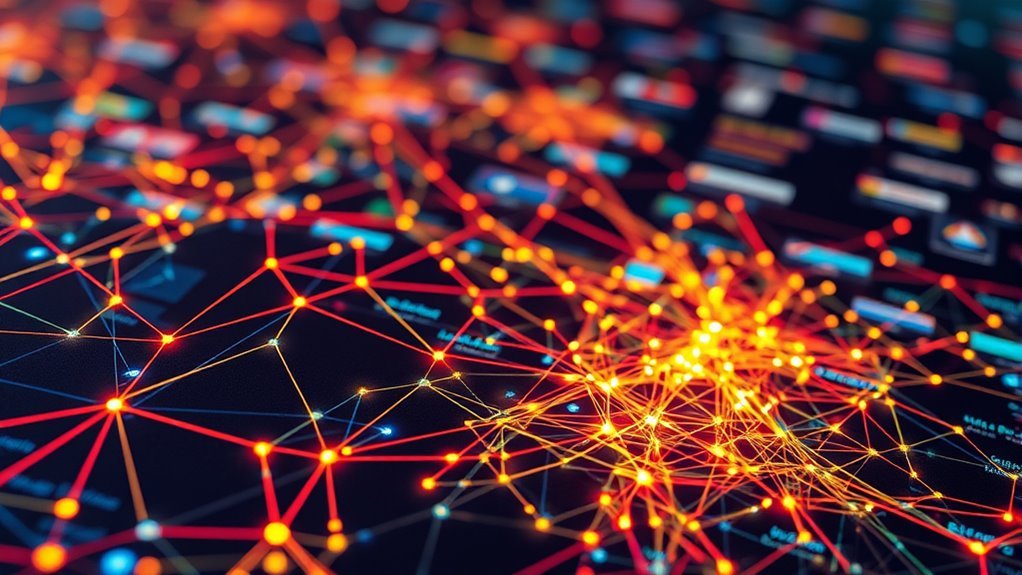
Internal linking directly impacts crawl path efficiency by guiding search engines through your site. By optimizing your internal links, you reduce link depth and create a clearer navigation structure, making it easier for crawlers to access essential content. This enhances user experience and encourages exploration, which is crucial for SEO. A well-structured internal linking strategy distributes link equity, boosting the authority of linked pages. To understand the nuances of effective linking, consider the broader implications on your site’s performance.
Understanding Internal Linking
Although you might think of internal linking as a simple navigational tool, it plays an essential role in enhancing a website’s crawl path efficiency. Understanding the various linking types—such as contextual, navigational, and footer links—can empower you to create a more strategically sound site structure. Each type serves a distinct purpose in guiding user navigation, ensuring visitors find relevant content seamlessly.
By optimizing your internal links, you not only improve the user experience but also help search engines crawl your site more effectively. This interconnected web of links enables algorithms to recognize content relationships, ultimately boosting your site’s visibility.
Moreover, a well-planned internal linking strategy can distribute link equity across your pages, allowing less prominent content to gain traction. When you prioritize user navigation through thoughtful internal linking, you cultivate an environment that fosters exploration and engagement, granting users the freedom to discover valuable information effortlessly.
The Role of Crawl Path Efficiency
Efficient crawl paths are essential for ensuring search engines can navigate your site without obstacles. When you focus on crawl path optimization, you’re not just enhancing user experience; you’re also improving search engine efficiency. A strategic approach to internal linking can reduce link depth, making it easier for crawlers to access important content quickly.
Here’s a breakdown of how crawl path efficiency influences site performance:
| Factor | Impact |
|---|---|
| Link Depth | Determines how easily crawlers find content |
| Page Load Speed | Affects crawler retention |
| Content Accessibility | Enhances indexing |
| Internal Link Structure | Improves navigation and crawl path |
| User Engagement | Influences bounce rates and SEO |
How Internal Links Influence Page Authority
When you implement a strategic internal linking structure, you’re not just improving navigation; you’re also enhancing the authority of your pages. Each internal link you create serves as a conduit for link equity, allowing you to distribute authority across your site effectively. By linking to high-authority pages, you can elevate the credibility of linked pages, creating a ripple effect that boosts overall site performance.
This authority distribution is essential for search engines, as they evaluate the importance of your content based on these connections. When you thoughtfully interlink your pages, you signal to search engines which content deserves more visibility, ultimately influencing rankings.
Moreover, a well-designed internal linking strategy not only strengthens individual page authority but also empowers your site’s structure, offering a clear path for crawling and indexing. Embrace this freedom to optimize your internal links and watch your pages gain the authority they deserve.
Enhancing User Experience Through Internal Links
Internal links not only serve as pathways for search engines but also play an essential role in enhancing user experience. By implementing a strategic internal linking structure, you can create user-centric navigation that allows visitors to explore your content freely and intuitively. Here are three key benefits:
- Contextual Relevance: Internal links connect related topics, helping users find information that’s pertinent to their interests.
- Reduced Bounce Rate: By guiding users to additional content, you encourage them to stay longer on your site, reducing the likelihood of leaving.
- Improved Site Structure: A well-organized internal linking strategy clarifies your site’s hierarchy, making it easier for users to navigate and locate desired information.
Ultimately, enhancing user experience through internal links not only benefits your audience but also supports your site’s overall performance and engagement metrics. Embrace internal linking as a strategic tool for fostering a seamless browsing experience.
Best Practices for Internal Linking Strategy
To maximize the effectiveness of your internal linking strategy, it’s essential to prioritize link relevance. This means ensuring that the links you create directly relate to the content they’re embedded in, providing clear pathways for both users and search engines. Additionally, optimizing anchor text not only enhances user understanding but also signals the context of the linked content to search engines.
Link Relevance Matters
While search engines increasingly prioritize user experience, the relevance of your internal links plays a crucial role in enhancing that experience. To maximize link context and semantic relevance, consider these best practices:
- Maintain thematic consistency: Confirm linked content shares a similar topic or theme, reinforcing relevance and providing value.
- Use descriptive anchor text: This helps both users and search engines understand the link’s purpose, improving the connection between content.
- Diversify link placement: Strategically place internal links within your content, such as in the introduction or conclusion, to guide users effectively through your site.
Optimize Anchor Text
Anchor text serves as an essential bridge between related content on your website, guiding both users and search engines. To enhance your internal linking strategy, focus on anchor text optimization, ensuring that it reflects contextual relevance. This not only improves user experience but also strengthens your SEO.
| Best Practices | Description |
|---|---|
| Use Descriptive Text | Make anchor text descriptive of the linked content. |
| Vary Your Phrasing | Avoid repetitive phrases; diversify anchor text. |
| Incorporate Keywords | Use relevant keywords naturally within the text. |
| Limit Length | Keep anchor phrases concise for clarity. |
The Impact of Link Structure on Crawl Efficiency
Understanding the link structure of your website is essential, as it directly influences crawl efficiency and overall SEO performance. A well-planned link structure can enhance your site’s visibility by optimizing link depth and increasing crawl frequency. Here are three key factors to take into account:
A well-structured link system boosts crawl efficiency and enhances your website’s SEO performance.
- Link Depth: Verify important pages are no more than three clicks deep from the homepage. This minimizes link depth and facilitates easier crawling.
- Crawl Frequency: By interlinking frequently updated content, you can encourage search engines to crawl your pages more often, improving indexing.
- Relevance and Context: Use contextual linking to create a logical flow, allowing crawlers to understand the relationship between your content better.
Common Internal Linking Mistakes to Avoid
When crafting an effective internal linking strategy, it is crucial to recognize common mistakes that can undermine your efforts. One major pitfall is excessive links on a single page. Overloading a page can dilute the value of each link, making it harder for search engines and users to discern important content. Instead, aim for a balanced approach that highlights key areas without overwhelming your audience.
Another mistake to avoid is poor link depth. If critical pages are buried too deeply within your site’s structure, they may not receive the attention they deserve. This can hinder crawl efficiency, as search engines may struggle to navigate through multiple layers to find valuable content. By optimizing your link depth and being judicious with your links, you’ll enhance both user experience and search visibility, allowing you to exercise greater freedom in content strategy without sacrificing effectiveness.
Measuring the Effectiveness of Internal Links
While it’s essential to implement an internal linking strategy, evaluating its effectiveness is equally important. To truly understand your link performance, focus on these key internal link metrics:
- Click-Through Rate (CTR): Measure how often users click on your internal links. A higher CTR indicates effective linking.
- Average Time on Page: Analyze how long visitors stay on pages linked internally. Increased time suggests that links guide users to relevant content.
- Bounce Rate: Monitor the percentage of visitors who leave after viewing only one page. A lower bounce rate can signify successful internal linking.
Future Trends in Internal Linking and SEO
As you strategize your internal linking approach, you’ll need to contemplate evolving link structures that adapt to user behavior and content relevance. AI-driven linking strategies are set to revolutionize how you optimize crawl paths, making your site more efficient. Additionally, with the shift to mobile-first indexing, prioritizing internal links for mobile users is becoming increasingly critical for SEO success.
Evolving Link Structures
Although the landscape of SEO is constantly shifting, understanding the emerging trends in internal linking structures can greatly enhance your site’s crawl efficiency and user experience. To stay ahead, you should consider these evolving link structures:
- Dynamic link structures: Adapt your link hierarchy based on user behavior and content performance, ensuring relevance and engagement.
- Contextual linking: Prioritize links within the body of content to create a natural flow and enhance your content hierarchy, guiding users seamlessly.
- Modular architecture: Implement a flexible link structure that supports scalability, allowing for easy updates without disrupting existing pathways.
AI-Driven Linking Strategies
Emerging trends in internal linking are increasingly influenced by artificial intelligence, reshaping how websites optimize their crawl paths and enhance user engagement. By leveraging AI algorithms, you can analyze user behavior and content relevance more effectively than ever. These algorithms can identify high-performing pages and suggest strategic internal links that not only improve SEO but also guide users through your site seamlessly. As you implement these AI-driven linking strategies, focus on creating a network of links that reflects the natural flow of your content. This targeted approach not only boosts keyword visibility but also enhances the overall user experience, allowing you to maintain freedom in your content strategy while maximizing crawl efficiency and engagement.
Mobile-First Internal Linking
With the growing dominance of mobile browsing, prioritizing mobile-first internal linking is becoming essential for effective SEO strategies. To enhance your site’s mobile optimization and guarantee a seamless user experience, consider these key strategies:
- Responsive Design: Guarantee your internal links are displayed correctly on all devices, maintaining usability and accessibility.
- Link Priority: Focus on linking to high-value pages first, guiding users through your site efficiently on mobile screens.
- User Intent: Analyze mobile user behavior to develop links that align with their needs, increasing engagement and retention.
Frequently Asked Questions
How Does Internal Linking Affect Mobile Site Crawl Efficiency?
Did you know that 53% of mobile users abandon sites that take over three seconds to load? Internal linking plays an essential role in enhancing mobile site crawl efficiency by optimizing your crawl budget. It guarantees search engines navigate your site effectively, improving the mobile user experience. By strategically placing links, you guide crawlers to your most important content, making it easier for them to index your pages and ultimately boosting your site’s visibility.
Can Internal Linking Improve Site Speed and Performance?
Yes, internal linking can improve site speed and performance. A well-structured link structure reduces the number of redirects and helps distribute page load more efficiently across your site. By ensuring that important pages are easily accessible through internal links, you minimize the time it takes for users and search engines to navigate your site. This streamlined access not only enhances user experience but also contributes to faster loading times overall, boosting your site’s performance.
What Tools Can Help Analyze Internal Linking Effectiveness?
To analyze internal linking effectiveness, consider using tools like Ahrefs, SEMrush, or Moz. Each offers robust link analysis features, allowing you to compare link structures and identify strengths or weaknesses in your strategy. You’ll want to evaluate metrics like link equity and crawl depth. A thorough tool comparison can help you pinpoint areas for improvement, ensuring your internal links enhance user experience while optimizing for search engines effectively.
How Often Should Internal Links Be Updated or Revised?
You should update internal links regularly, especially when you make content updates or add new relevant pages. Aim for a quarterly review, but adjust based on your site’s size and how frequently you add new content. Keeping link relevance high guarantees users navigate seamlessly and search engines crawl efficiently. By strategically revising links, you enhance user experience and improve SEO performance, allowing you the freedom to innovate without sacrificing discoverability.
Does Internal Linking Impact Local SEO Rankings?
Oh sure, internal linking’s just a casual stroll in the park, right? But seriously, it can impact your local SEO rankings substantially. Think of it as a secret weapon in local search strategy. By strategically placing internal links, you help search engines understand your site’s structure and relevance, which are key ranking factors. So, if you’re aiming for that coveted local visibility, don’t overlook the power of effective internal linking!